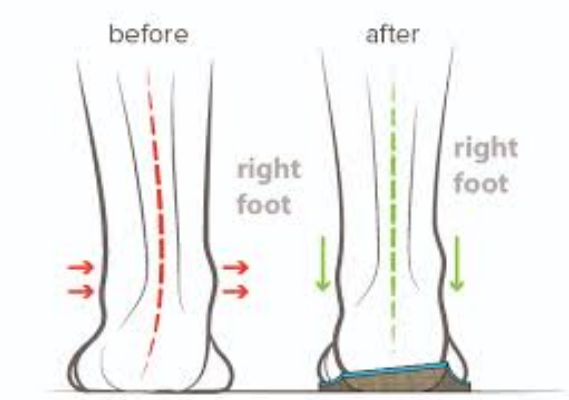
Orthotics
Orthotics
any device placed into a shoe, ranging from felt pads to custom-made shoe inserts that correct an irregular or abnormal walking pattern.
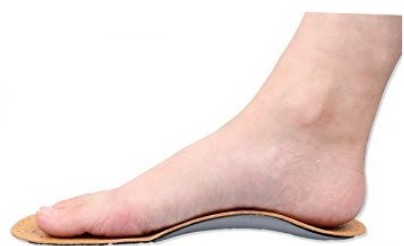
Orthotics
Working on your feet for long hours can cause tired, achy feet. The feet can benefit from an arch support to reduce the stress which the foot must absorb in a day.
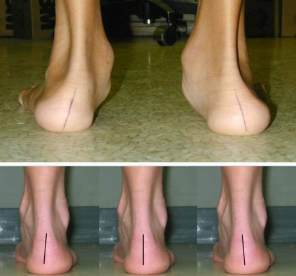
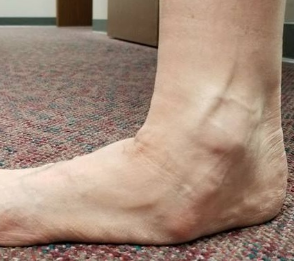
The result can strain the ligaments in the foot lead to mechanical deformities such as bunions, hammer toes, pinched nerves or result in aches and pains in the knees or back.
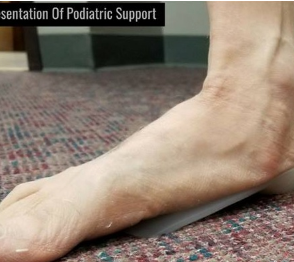
Biomechanical Orthotics

Depending on an individual's activity level, a more rigid arch support capable of supporting body weight and accommodating the structural imbalance is necessary.
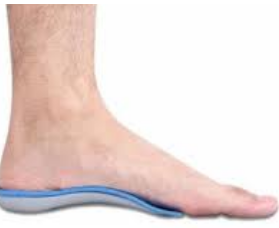
These rigid devices allow for pronation or flattening out of the foot, required to absorb the shock of walking, yet prevent abnormal extremes of motion associated with foot weakness and overuse injury.
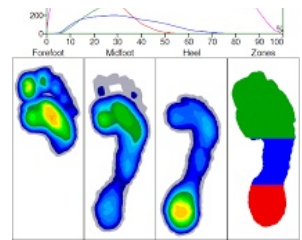
Orthotics will be designed using a biomechanical pressure plate.

Shoe Gear and Orthotics
An orthotic must fit snugly into a shoe and not move around. Open heeled shoes do not accommodate orthotics well which can cause the orthotic to slide out the back of the shoe.
Dress shoes for women and some styles for men are snug fitting slip-ons, leaving little room for addition of an orthotic.
Orthotic design can be varied to fit the narrower slip on style shoe.
For some people, two pair of orthotics is more practical, providing the greatest variety of shoe wear for different shoe types and activities.
Wear and Tear
Even when used properly, the materials of an orthotic can wear out. If the plastic plate has not deformed, the device can be reprocessed by replacing worn out materials and heel post stabilizers.