
Fungal Nail Infections
No-one likes to talk about it, but many people experience fungal and nail infections.
No-one likes to talk about it, but many people experience fungal and nail infections.
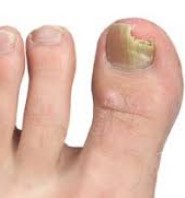
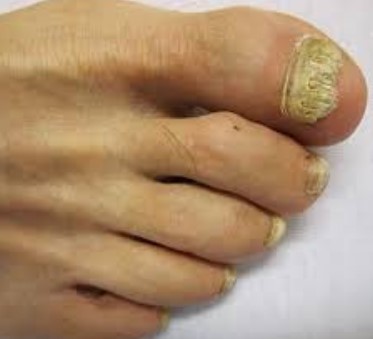
When dermatophytes get underneath your nail, it causes yellow/brownish discolouration and the nail can become quite thick and maintain a crumbly texture when cut.
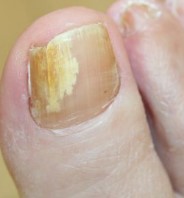
It is so important to contact a podiatrist at the first indication of a fungal or nail infection, to avoid further complications.
Nail fungus is often caused by something called ‘dermatophytes’, which are fungi found growing on skin, hair, nails and other bodily surfaces.
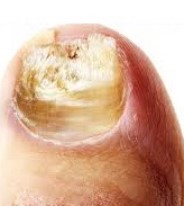
If left untreated, the skin underneath your nail can become inflamed and/or painful - and it may retain a foul smell.
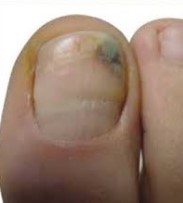
All of the above will help to keep germs at bay, and prevent moisture from building up in these regions, which can lead to infection.
Some at-home treatments include washing your socks and/or hosiery with a combination of hot water and an anti-fungal wash.
It can also help to clean and air your shoes regularly, alternating them with another pair to allow for a thorough cleaning.
Keep all floor surfaces clean by vacuuming regularly – and be sure to disinfect the base of your shower or tub directly after someone with a fungal infection has showered or soaked.
In addition, pharmaceutical antifungal treatments can include a range of products on the market.
It is very important to precisely follow the instructions outlined on these products – and follow through until the infection is completely resolved. If your condition doesn’t improve or worsens, please see a podiatrist.